 Gwen John
Apple is heading into the crucial Christmas shopping season with a supply problem involving its first foldable smartphone. The iPhone Duo, which launched in October as the company's most expensive mainstream iPhone, has sold out following strong early demand, leaving many customers facing delivery estimates extending into January 2027. More concerning for shoppers is that Apple executives have admitted they cannot predict when production will catch up with demand. The uncertainty creates a challenge for the technology giant during one of the most commercially important periods of the year, when smartphone sales typically receive a boost from holiday purchases and gift spending.
The supply situation became clearer during Apple's fourth-quarter earnings discussions on November 2. Chief Operating Officer Sabih Khan told analysts that the iPhone Duo remained supply-constrained, although the production ramp was progressing. He said the company was working to get the new device into customers' hands as quickly as possible, but added that it was difficult to predict when supply and demand would reach balance. The comments offered little reassurance to customers hoping to purchase the foldable phone before Christmas.
Apple CEO John Ternus also addressed the shortage in an interview with Reuters following the earnings announcement. Ternus said the company was encouraged by the initial customer response and was working to increase availability. However, he did not provide a specific timetable for when the supply situation might improve. His comments suggest that the problem is not simply a temporary retail inventory gap but part of a wider production challenge involving a newly introduced device.
Apple's First Foldable iPhone
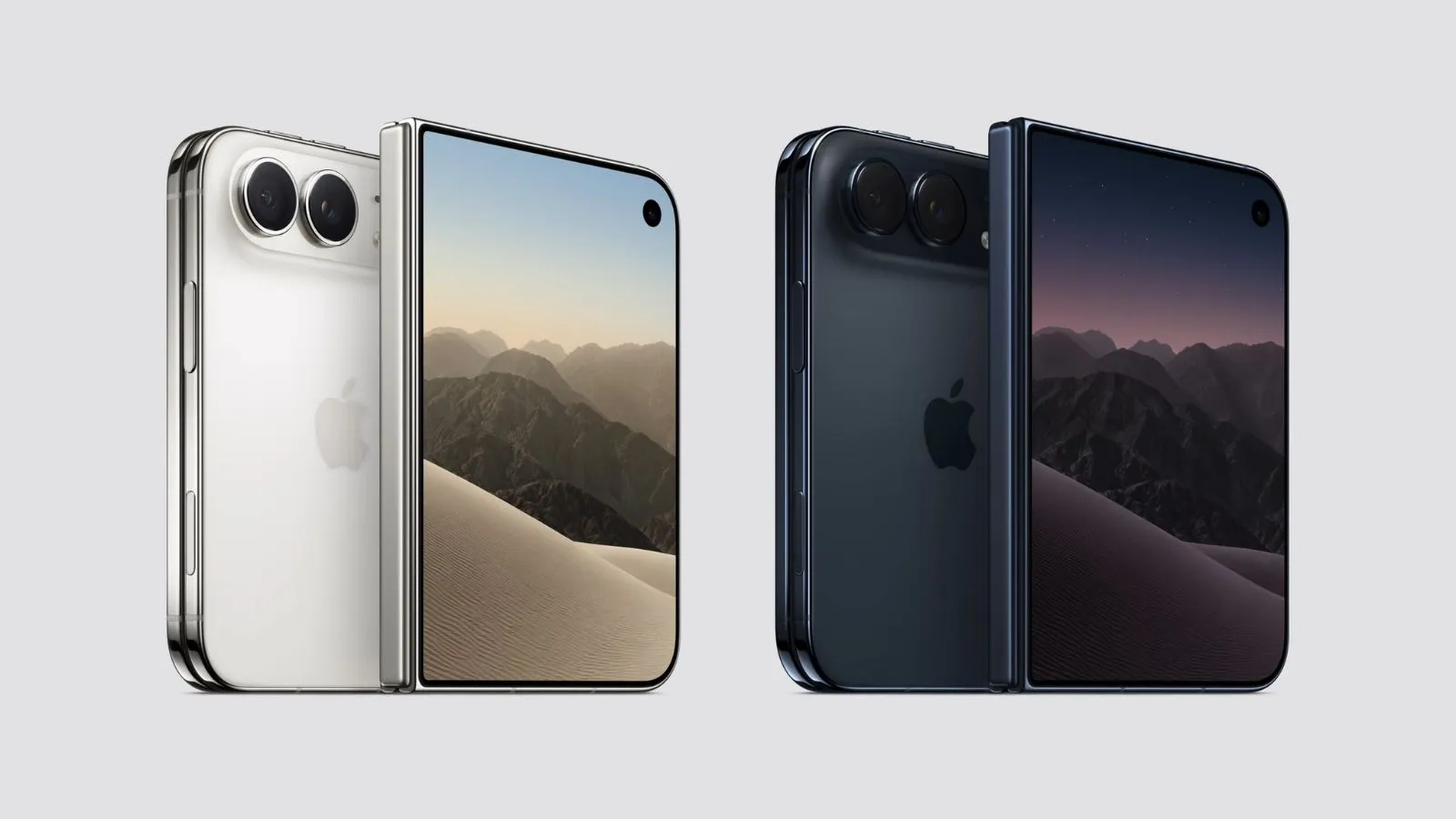
The iPhone Duo arrived as Apple's first major step into the foldable smartphone category. Announced on September 9, the device opens like a book to reveal a 7.6-inch inner display, while its outer screen measures 5.4 inches. Apple has equipped it with the A20 Pro processor, a dual-battery architecture and a precision-engineered hinge. The company also redesigned iOS 27 to take advantage of the larger screen, allowing users to experience content and multitask in a format that differs from conventional iPhones.
Preorders began on October 16, with general availability starting October 23. The device starts at $1,999 in the United States, placing it firmly in the premium smartphone market. In India, Apple's announced starting price is ₹2,99,900 for the 256GB version, with higher-capacity options also available. The price has not prevented early buyers from placing orders, and initial online inventory reportedly sold out rapidly. Some customers who missed the preorder window are now facing delivery estimates in late January 2027.
The shortage is particularly notable because the iPhone Duo is entering a market where Samsung, Google and several Chinese manufacturers have already established foldable smartphone products. Apple's entry has generated significant attention among consumers who have been waiting for the company to introduce its own folding device. The combination of Apple's brand recognition, premium hardware and redesigned software appears to have generated substantial early interest. However, strong demand alone does not guarantee that the company can manufacture enough units to meet the holiday shopping opportunity.
Manufacturing Complexity and Supply Chain Constraints
One important factor behind the supply pressure is the complexity of manufacturing foldable smartphones. Unlike conventional phones, foldable devices require specialised flexible displays, precision hinges, protective materials and tightly controlled assembly processes. Each component must operate reliably while the device repeatedly opens and closes. Producing a large number of units while maintaining Apple's quality standards can be more challenging than scaling production of an established smartphone design. Although Apple has not identified a single component as the cause of the iPhone Duo shortage, the production limitations underline the difficulties involved in launching a new hardware category.
The problem also comes amid broader supply-chain constraints affecting Apple's product portfolio. During the September quarter, the company experienced supply limitations involving iPhones, Macs and iPads. Sabih Khan told analysts that high demand and reduced flexibility across the supply chain were affecting production. He also indicated that Mac and iPad availability could remain constrained during the December quarter, with memory supplies becoming a major factor. This means the iPhone Duo is not the only Apple product facing pressure as the company prepares for holiday demand.
Rising Memory Costs and AI Infrastructure Demand
Rising memory costs have become another concern for the company. Apple CEO John Ternus described current memory pricing as unprecedented and said the company expected costs to rise further during the December quarter. The rapid expansion of artificial-intelligence infrastructure is contributing to this pressure. Technology companies are investing heavily in data centres that require large quantities of high-performance memory, while chip manufacturers must allocate production capacity between AI infrastructure and consumer electronics. This competition can tighten supplies and increase the prices manufacturers pay for components used in smartphones, tablets and computers.
For Apple, these rising costs could affect both production expenses and profit margins. Chief Financial Officer Kevan Parekh said higher memory prices would have reduced company and product gross margins by approximately one percentage point sequentially, excluding the impact of tariff refunds. Apple has already increased prices across parts of its product lineup, helping offset some of the additional component costs. However, continued increases could make it more difficult to maintain existing pricing and profitability while simultaneously expanding production.
Strong Financial Results Despite Challenges
The company is nevertheless entering the holiday season after reporting strong financial results. Apple announced September-quarter revenue of $114.5 billion, representing a 12% increase from the previous year. iPhone revenue reached $57.58 billion, setting a September-quarter record, while services revenue also reached a new high. These figures demonstrate that demand for Apple's existing products remained strong even before the iPhone Duo became available. However, the results do not include sales of the foldable model because its launch occurred after the September 26 quarter-end.
Early Display Durability Questions
The iPhone Duo has also faced questions about early display durability. Shortly after launch, some owners reported cracks or lines appearing along the inner display near the hinge. Apple acknowledged an issue affecting a small number of units and advised customers experiencing the problem to contact AppleCare for replacements. Ternus subsequently said that only a very small percentage of devices had been returned because of display issues. Apple has not publicly established a definitive cause for the reported failures, and the company has emphasised that the problem affects a limited number of units.
The display reports add another complication to an already difficult launch. Replacement devices require additional inventory, potentially adding pressure when retail stock is limited. Apple has instructed customers with affected screens to seek assistance rather than continue using damaged devices. The company has also provided repair and replacement guidance to its retail and authorised service teams. Although the reported problem appears limited, consumer confidence in the durability of a first-generation foldable phone will remain important as the product reaches a wider audience.
Market and Retail Impact
The shortage could also influence the wider foldable-phone market. Apple's entry has the potential to attract consumers who previously preferred conventional smartphones or competing foldable models. When a highly anticipated product becomes difficult to purchase, some customers may delay their purchase, while others may consider alternatives from Samsung or other manufacturers. Competitors could benefit from consumers who do not want to wait several months for Apple's device. However, the extent of any shift in market share will depend on product availability, competing prices and how strongly buyers prefer Apple's ecosystem.
For retailers, the timing is especially important. November and December are major shopping months, with Black Friday, Cyber Monday and Christmas driving demand for premium consumer electronics. A limited supply of the iPhone Duo could mean fewer units sold during this period than Apple might otherwise have achieved. Customers purchasing the device as a gift may be particularly reluctant to place orders with delivery estimates extending beyond Christmas. Retailers could also face additional pressure to manage customer expectations as availability varies between online orders and physical stores.
Despite the shortage, Apple has not indicated that it is reducing its commitment to the foldable category. Ternus described the early reaction as positive, and Khan said production was progressing as the company worked to increase supply. The immediate challenge is converting that demand into available inventory without compromising manufacturing quality. Given the complexity of the design and the wider constraints affecting memory and advanced components, a rapid recovery cannot be assumed.
The next few months will therefore be important for Apple's new product strategy. If production improves, the company could still capture significant holiday and early-2027 demand. If shortages continue, some buyers may postpone their purchases or choose competing foldables. The supply situation will also provide an early indication of how effectively Apple can scale a new product category while managing rising component costs and manufacturing challenges across its wider hardware business.
For consumers, the immediate message is straightforward: purchasing an iPhone Duo before Christmas cannot be guaranteed through current ordering channels. Apple's executives have not provided a confirmed restocking date or promised that delivery delays will disappear before the end of the year. The device's strong reception is a positive signal for the company's foldable ambitions, but the lack of available stock could limit its commercial opportunity during the holiday season.
What to Watch Next
The main developments will be Apple's progress in increasing iPhone Duo production, changes to online delivery estimates, availability at physical Apple Stores and authorised retailers, further updates on the inner-display issue, and the impact of rising memory prices on Apple's December-quarter results. Whether the company can improve supply before Christmas will be an important early test of its first foldable iPhone strategy.
[object Object],[object Object],[object Object],[object Object],[object Object],[object Object],[object Object]