
 Henry Willy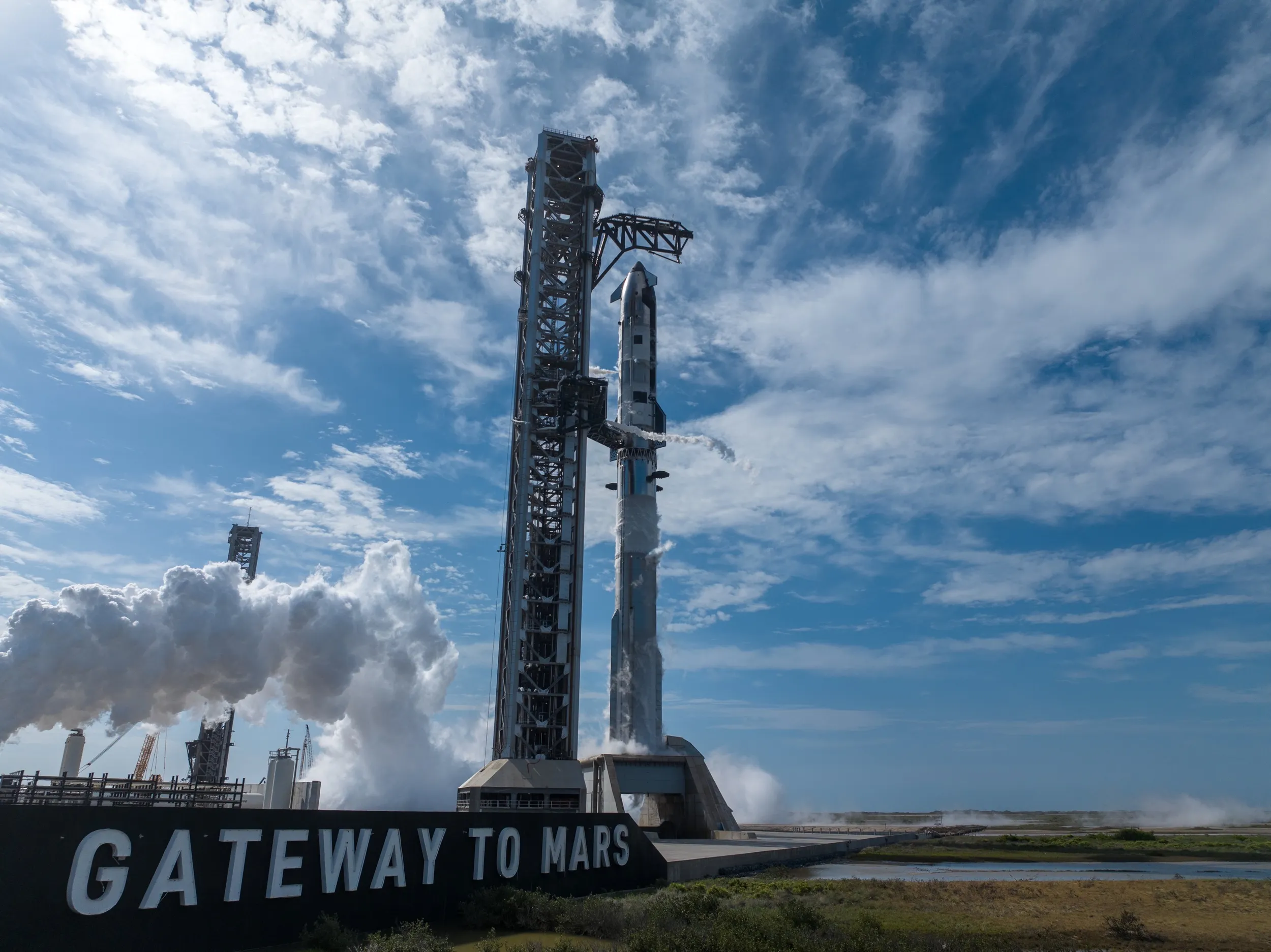
SpaceX has postponed its latest Starship test launch as the company moves closer to a massive share sale that could further cement its position as one of the most valuable private companies in the world. The delay comes during a critical period for Elon Musk’s aerospace giant, which is balancing the technical challenges of developing the world’s most powerful rocket system while simultaneously attracting investor interest through a new fundraising and employee share sale initiative. According to reports, the upcoming secondary share sale could value SpaceX at well above $200 billion, highlighting the extraordinary confidence investors continue placing in the company despite ongoing delays and testing setbacks involving the Starship program.
The postponed launch involved the latest integrated test of Starship, the fully reusable rocket system that Musk believes will eventually carry humans to the Moon, Mars, and beyond. SpaceX said the delay was connected to additional technical checks and operational reviews prior to liftoff, although the company did not immediately provide a new launch date. Starship remains central to SpaceX’s long-term ambitions because the rocket is designed to dramatically reduce the cost of space transportation while supporting future missions for NASA, commercial satellite deployments, and potential interplanetary travel. However, the system has experienced multiple high-profile test failures and delays during development, with engineers continuing to refine launch procedures, booster recovery systems, heat shield performance, and orbital flight capabilities.
Investor Demand Surges Despite Delays
Despite the technical challenges, investor demand for SpaceX shares remains exceptionally strong. Reports suggest the company is preparing another large secondary share sale allowing employees and early investors to sell portions of their holdings to outside buyers. Such transactions have become increasingly important for private technology companies seeking liquidity without immediately pursuing public stock market listings. Analysts believe the latest transaction could push SpaceX’s valuation into record territory for a privately held American company, reflecting both the company’s dominance in commercial space launches and growing optimism surrounding its satellite internet business, Starlink. Investors increasingly view Starlink as a major long-term revenue engine capable of generating billions of dollars annually through broadband subscriptions, government contracts, and global communications infrastructure.
The timing of the Starship delay is particularly significant because the rocket program plays a major role in shaping investor confidence about SpaceX’s future growth potential. While the company already dominates the commercial launch market with its Falcon 9 rockets, Starship represents a much larger long-term opportunity involving deep-space missions, large-scale cargo transport, lunar exploration, and next-generation satellite deployment. NASA is also heavily dependent on Starship for future Artemis Moon missions, having selected the rocket system as the lunar lander for planned astronaut landings later this decade. Investors therefore closely monitor every Starship test because the rocket’s success or failure could influence the future profitability and strategic value of SpaceX.
Reusability and Rapid Experimentation
Elon Musk has repeatedly described Starship as the most important project in SpaceX’s history. Unlike traditional rockets, Starship is designed to be fully reusable, with both the spacecraft and booster intended to return safely after launch for rapid reuse. Musk argues that this approach is essential for dramatically lowering launch costs and making large-scale space exploration economically viable. However, building such a system has proven enormously difficult even for SpaceX, which already revolutionized the aerospace industry through reusable Falcon rocket technology. Previous Starship tests have ended in explosions, communication losses, or partial mission failures, although SpaceX typically views the aggressive testing strategy as part of a rapid development philosophy focused on iterative engineering improvements.
The growing valuation of SpaceX also reflects broader investor enthusiasm surrounding the commercial space industry and artificial intelligence-driven technology sectors. Private market investors have increasingly searched for exposure to high-growth companies tied to advanced technology, aerospace infrastructure, communications networks, and defense-related innovation. SpaceX benefits from multiple overlapping growth narratives, including satellite internet expansion, national security contracts, reusable launch systems, and future space exploration ambitions. Analysts say few private companies possess the same combination of technological influence, revenue growth potential, and global strategic importance currently associated with SpaceX.
Evaluating the Financial Risks
At the same time, some financial experts caution that SpaceX’s enormous valuation depends heavily on future expectations rather than current profitability alone. Starship remains an experimental system that has yet to complete its full operational goals successfully, and the economics of long-term Mars missions or large-scale lunar infrastructure remain highly uncertain. Regulatory scrutiny surrounding launches, environmental concerns near testing facilities, and the sheer complexity of developing fully reusable heavy-lift rockets also create substantial operational risks. Nevertheless, many investors appear willing to tolerate those uncertainties because of SpaceX’s strong track record of overcoming engineering challenges that competitors once considered impossible.
The private share sale is also expected to generate significant wealth for SpaceX employees and early investors who have held equity in the company during its rapid rise. Secondary sales have become common among large private technology firms because they provide liquidity opportunities without exposing companies to the regulatory requirements and quarterly reporting pressures associated with public stock markets. SpaceX has so far resisted launching a traditional initial public offering despite persistent speculation from investors and analysts. Musk has previously indicated that Starlink could eventually become publicly traded, although no formal timeline has been announced.
Meanwhile, the delay highlights the increasingly high stakes surrounding every Starship launch attempt. Each test now carries not only scientific and engineering significance but also financial implications tied to investor confidence, government partnerships, and future commercial contracts. Successful launches strengthen confidence in SpaceX’s long-term strategy, while major failures can temporarily raise concerns about development timelines and project costs. Still, many analysts argue that SpaceX’s culture of rapid experimentation gives it a competitive advantage over slower-moving aerospace rivals, even when setbacks occur publicly.
For global markets and private investors, SpaceX continues to represent one of the most closely watched companies outside traditional stock exchanges. The combination of Elon Musk’s influence, groundbreaking aerospace technology, government partnerships, and growing satellite infrastructure has turned the company into a symbol of the modern private-tech economy. As SpaceX prepares for another major share sale, investors will continue watching Starship closely because the rocket’s future may ultimately determine whether the company can achieve Musk’s extraordinary ambitions for the next era of human space exploration.