
 Mark Blaze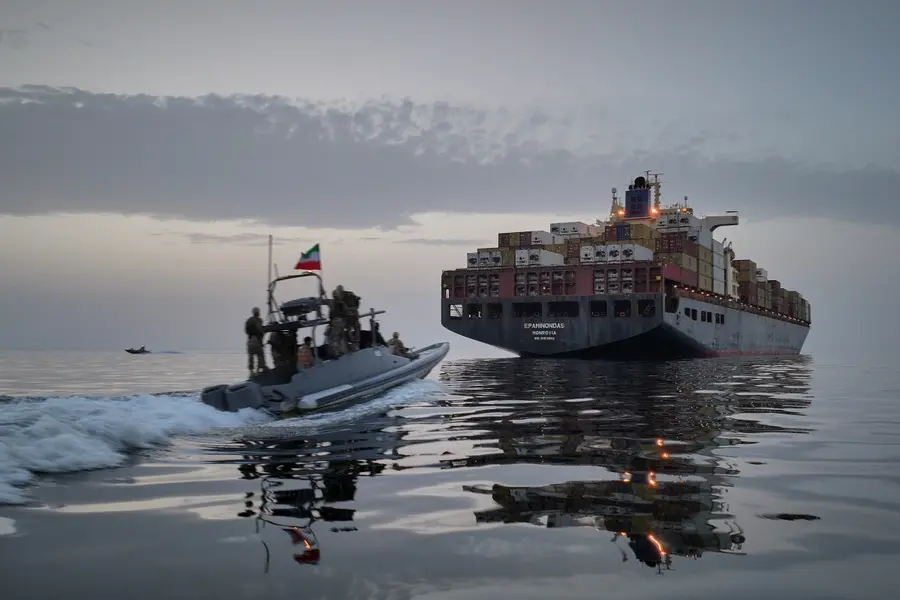
Global Markets Swing as Strait of Hormuz Crisis Deepens
Global financial markets have been swinging sharply as investors try to make sense of the growing tensions involving Iran and the ongoing disruptions in the Strait of Hormuz — one of the most critical shipping routes in the global energy system. Every new headline tied to ceasefire talks, military risks, or diplomatic negotiations has triggered fresh waves of optimism or panic across oil, stock, and bond markets.
At the center of the uncertainty is oil. The Strait of Hormuz normally carries around 20% of the world’s oil and liquefied natural gas shipments, making it one of the most important economic choke points on the planet. As fears of prolonged disruption intensified, oil prices surged dramatically, with Brent crude climbing above $110 per barrel at one stage while U.S. crude approached or exceeded $100 during periods of peak tension.
Even though markets later pulled back somewhat after signs of possible negotiations between the United States and Iran, analysts say the energy system is still under significant pressure and that supply shortages are becoming increasingly visible beneath the surface.
Oil Markets Caught Between Panic and Hope
The oil market has become extremely sensitive to developments in the region. Earlier in the crisis, traders feared that disruptions in the Strait of Hormuz could remove huge amounts of crude from global supply chains. According to reports cited in the file, energy trading giant Vitol estimated that as much as one billion barrels of supply could effectively disappear before markets fully stabilize again.
Physical oil markets — where actual barrels are bought and shipped — have shown some of the strongest signs of stress. Analysts noted that real-world crude shortages were in some cases more severe than futures prices initially suggested. Tanker problems, high insurance costs, and uncertainty about shipping access through Hormuz all made supply conditions worse.
But markets have also reacted quickly to even small signs of diplomatic progress. Oil prices dropped sharply at times after Donald Trump suggested negotiations with Iran were advancing and hinted that a broader agreement could eventually stabilize the region. Brent crude later fell back below $100 per barrel during temporary periods of optimism.
Still, analysts continue warning that prices remain well above pre-conflict levels and that renewed escalation could send energy costs even higher again.
Fuel Shortages Beginning to Spread
The disruption has already started affecting refined fuel markets, particularly across Asia. Refiners have had a hard time getting reliable crude oil supplies, and shipping routes have become harder to manage. Reports say that exports of diesel and jet fuel have dropped sharply as a result. Some fuel export levels in Asia are now at their lowest levels in years. This shows how quickly problems in one shipping corridor can affect the global economy.
Stock Markets Reacting Headline by Headline
Equity markets have also become highly reactive throughout the crisis. On some days, investors rushed away from risk as rising oil prices fueled fears of inflation, weaker consumer spending, and slower global growth. Technology stocks — especially companies heavily tied to the AI boom — faced periods of pressure amid concerns that higher energy costs and economic uncertainty could eventually slow investment.
At other moments, however, markets rallied strongly whenever diplomatic progress appeared possible. The S&P 500 and Nasdaq Composite reportedly reached record highs after Iran signaled commercial traffic through the Strait of Hormuz would remain open during temporary truces. Asian markets also bounced back, with Japan, South Korea, and Taiwan leading the way.
Inflation Fears Are Growing Again
The biggest long-term concern for many economists is inflation. Rising oil prices quickly affect transportation, manufacturing, shipping, food prices, and consumer energy bills, meaning prolonged disruptions could spread inflation pressure across much of the global economy. Reports suggest U.S. inflation expectations have already risen sharply during the crisis, while Treasury yields climbed as investors worried central banks may need to keep interest rates elevated for longer than previously expected.
Some economists are now warning about the possibility of stagflation — a difficult combination of weak economic growth and persistent inflation — if the energy shock continues for several more months. For now, global markets remain trapped in a cycle of uncertainty — reacting not just to economics, but to every new development tied to diplomacy, shipping routes, and the risk of wider conflict.