
 Gwen John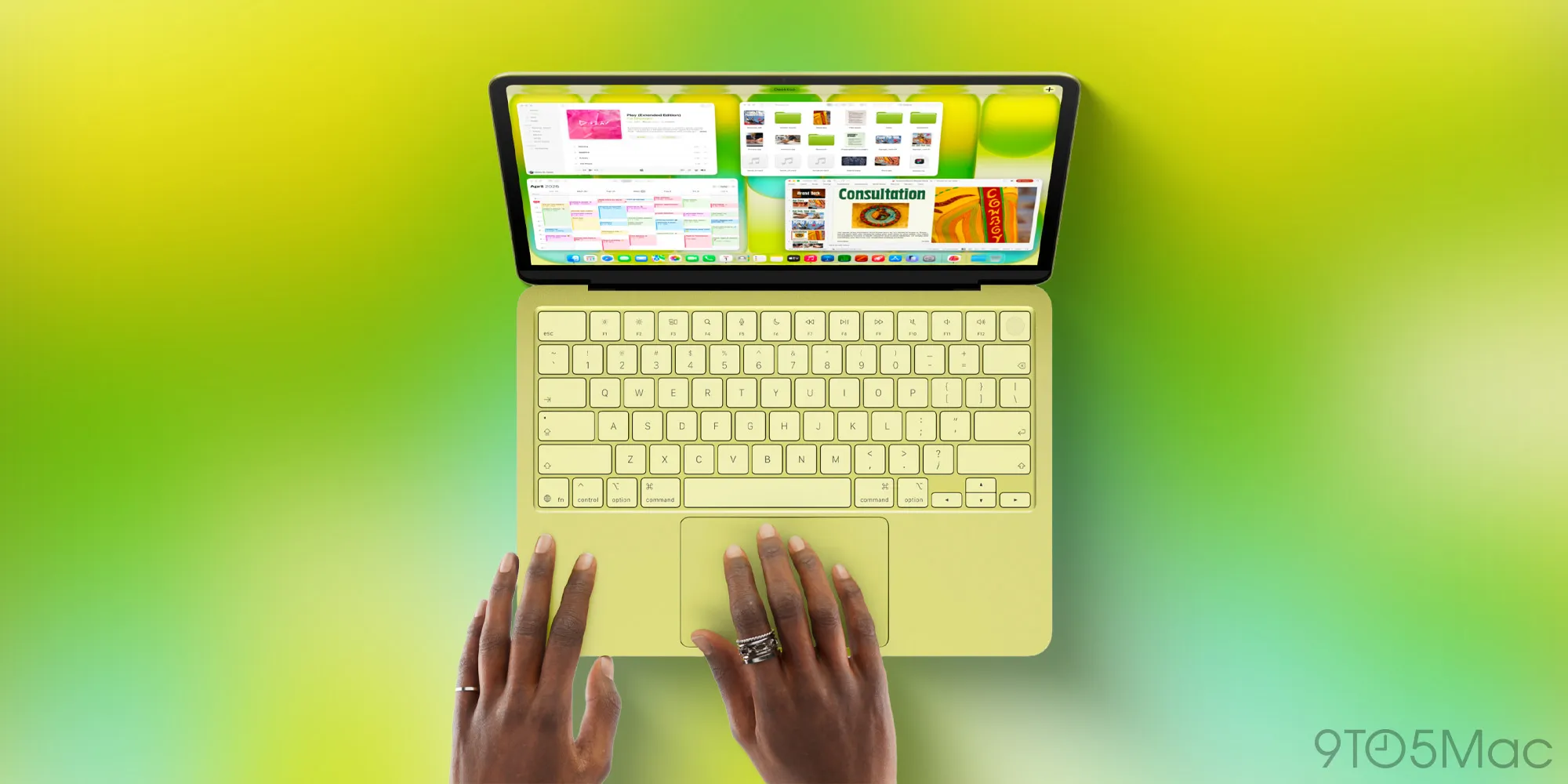
Kansas City Public Schools is undertaking one of the largest education technology upgrades in the United States by replacing roughly 30,000 Chromebooks and Windows PCs with Apple devices across its schools. The large-scale transition marks a major shift in how the district approaches classroom technology, digital learning, and student access to educational tools. District officials say the initiative is designed to create a more consistent and modern learning environment while improving device performance, creativity-focused education, and long-term technology management. The rollout will provide students and teachers with Apple products including iPads and MacBooks, replacing devices that had become increasingly difficult to maintain after years of heavy classroom use. The move also represents a significant win for Apple in the competitive education technology market, where Chromebooks powered by Google have dominated U.S. schools for more than a decade.
School administrators said the decision followed extensive evaluations involving teachers, IT staff, students, and classroom performance studies. According to district officials, many of the existing Chromebooks and Windows devices were aging, unreliable, or limited in functionality for newer educational programs involving video production, coding, digital design, music creation, and collaborative learning applications. Leaders within the district argued that Apple’s ecosystem offers a more unified and stable experience for both students and educators, especially as schools increasingly depend on digital learning platforms for everyday instruction. Officials also emphasized that Apple devices provide stronger integration between hardware and software, reducing technical support issues and improving overall classroom efficiency. The district plans to distribute devices gradually over multiple phases to minimize disruption during the transition process.
Moving Beyond Chromebook Dominance
The shift away from Chromebooks is especially notable because Google’s low-cost devices have become deeply embedded in American education systems over the last decade. Chromebooks gained massive popularity among schools because of their affordability, simple cloud-based management, and compatibility with online learning platforms such as Google Classroom. During the COVID-19 pandemic, millions of Chromebooks were distributed globally as schools rushed to support remote learning environments. However, many districts are now facing challenges involving device aging, repair costs, battery degradation, and limitations in handling more advanced creative or technical applications. Kansas City officials reportedly concluded that while Chromebooks were effective for basic internet-based learning tasks, they were less suitable for long-term educational goals involving multimedia production, advanced software, and student creativity initiatives.
Apple has spent years trying to strengthen its presence in education, a market the company once dominated during the early personal computing era. The company has increasingly focused on positioning the iPad and MacBook as educational tools designed not just for productivity but also for creativity, coding, digital art, filmmaking, and music production. Apple executives have repeatedly argued that students benefit from devices capable of supporting more advanced applications and immersive learning experiences rather than functioning mainly as web browsers. The Kansas City deal could help reinforce Apple’s broader strategy of expanding its footprint in K–12 education at a time when competition between Apple, Google, and Microsoft remains intense. Education technology is considered strategically important because students often continue using familiar platforms and software ecosystems later in life, influencing future consumer behavior and workforce technology preferences.
Longevity and Long-Term Maintenance
District officials say another major factor behind the transition was device longevity and long-term maintenance efficiency. Although Apple products are generally more expensive upfront than Chromebooks, some school systems believe the devices last longer, require fewer repairs, and maintain better performance over time. Administrators argued that frequent Chromebook replacements and maintenance costs were creating operational inefficiencies and frustrating classroom disruptions. By standardizing the district’s technology ecosystem around Apple hardware and software, Kansas City Public Schools hopes to simplify device management, software updates, cybersecurity monitoring, and technical support operations. Teachers will also receive professional development training focused on integrating Apple tools into classroom instruction, digital content creation, and collaborative learning strategies.
The decision has generated debate among education experts and technology analysts about the future direction of digital learning in schools. Supporters of the transition argue that students should have access to powerful tools that encourage creativity, problem-solving, and technical skills rather than relying primarily on low-cost web-focused devices. They believe Apple’s hardware can help students develop stronger multimedia, coding, and design abilities increasingly valued in modern workplaces. Critics, however, question whether the significantly higher costs associated with Apple devices are justified at a time when many school districts continue facing budget pressures and staffing shortages. Some analysts also argue that Chromebooks remain highly effective for core educational tasks such as online assignments, testing platforms, communication tools, and cloud-based collaboration.
Changing EdTech Ecosystems
The broader education technology market is currently undergoing major changes as schools reassess digital infrastructure investments made during the pandemic era. Many districts that rapidly purchased laptops and tablets during emergency remote learning periods are now dealing with aging hardware, cybersecurity concerns, software compatibility issues, and questions about long-term digital education strategies. Artificial intelligence tools, virtual learning systems, and cloud-based educational platforms are also reshaping expectations for classroom technology. Schools increasingly want devices capable of supporting advanced AI-powered applications, creative software, and hybrid learning environments rather than simply providing internet access. Kansas City’s move may signal a broader trend among some districts seeking more premium technology ecosystems despite higher upfront costs.
The transition is expected to affect tens of thousands of students and educators across the district over the next several years. Administrators say the rollout will include technical training, digital literacy programs, cybersecurity education, and support services aimed at helping families adapt to the new devices. Officials also stressed that equitable access remains a priority, with all students receiving devices regardless of income level. The district believes the investment will better prepare students for future academic and career opportunities in increasingly technology-driven industries.
Industry analysts say other school systems around the United States will closely watch the outcome of Kansas City’s technology overhaul. If the transition successfully improves classroom performance, student engagement, and operational efficiency, more districts may consider moving beyond low-cost Chromebook-based ecosystems toward more advanced device platforms. For Apple, the deal represents not only a major commercial victory but also an opportunity to re-establish itself as a dominant force in modern education technology at a time when digital learning continues evolving rapidly across classrooms worldwide.