
 Mark Blaze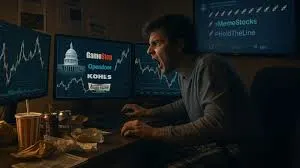
The Return of Retail Trading Frenzy
Meme stock mania has returned with unprecedented force in December 2025, as retail traders pour over $50 billion into heavily shorted stocks like GameStop, AMC Entertainment, and emerging favorites like BlackBerry and Bed Bath & Beyond. GameStop shares have surged 500% in just two weeks, triggering trading halts and causing billions in losses for hedge funds that maintained short positions. The movement is being driven by a new generation of traders using platforms like Robinhood, Webull, and social media networks like Reddit's r/wallstreetbets, TikTok, and X (formerly Twitter), where coordinated buying campaigns can go viral in hours. Market analysts are warning that the fundamentals don't support these valuations, with GameStop trading at 50x sales despite declining revenue and increased competition from digital game distribution.
This new wave differs from the 2021 meme stock surge in several key ways: trading volumes are 10x higher, the demographic has expanded beyond young men to include women and older investors, and cryptocurrency-native traders are bringing their high-risk, high-reward mentality to traditional stocks. The ease of access to options trading through mobile apps has amplified the volatility, with call option volumes reaching record levels. Financial regulators are monitoring the situation closely, as the SEC investigates potential market manipulation and coordinates with social media platforms to identify organized pump-and-dump schemes. However, distinguishing between coordinated manipulation and genuine retail enthusiasm has proven challenging.
The Risks and Realities
While some early meme stock traders have realized life-changing gains, the vast majority of retail investors enter these positions at peak prices and face significant losses when the momentum inevitably reverses. Studies by academic researchers show that the average retail trader loses money on meme stock trades, with median losses of $1,200 per position. The phenomenon has also raised concerns about market stability, as extreme volatility in individual stocks can trigger broader market selloffs when leveraged positions are unwound. Brokerage firms have implemented new risk management measures, including higher margin requirements and restrictions on options trading for inexperienced investors, but many traders circumvent these by using multiple platforms or switching to less-regulated offshore brokers.
The meme stock phenomenon reflects broader shifts in financial markets: the democratization of trading, the influence of social media on investment decisions, and a growing distrust of traditional financial institutions among younger generations. While critics argue this is dangerous speculation that could destabilize markets, supporters see it as a legitimate form of collective action against hedge fund manipulation and market inefficiencies. What's clear is that the traditional playbook of fundamental analysis and long-term investing is being challenged by a new paradigm where social sentiment and viral momentum can override financial metrics in the short term.