

 Macro Anton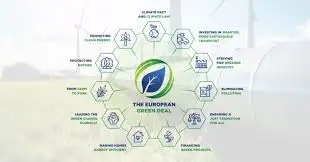
A Climate Commitment Like No Other
The European Union has signed the largest green energy investment package in history, committing €450 billion ($500 billion) to accelerate its transition to 100% renewable energy by 2035 — five years ahead of the previous 2040 target. The deal, announced at an emergency climate summit in Brussels, represents a fundamental shift in Europe's energy strategy following the continent's worst energy crisis since World War II. The funding will be allocated over the next decade to massive solar farms in Southern Europe, offshore wind projects in the North Sea, and hydrogen production facilities across the continent. This massive investment rivals major global climate investments in scale and economic impact.
The announcement sent renewable energy stocks surging across European markets, with solar panel manufacturers up 35% and wind turbine companies gaining 28%. European Commission President Ursula von der Leyen called it "Europe's moon landing moment," emphasizing that the continent will become energy-independent while leading the global fight against climate change. The deal also includes €50 billion in subsidies for electric vehicle infrastructure and battery production, positioning Europe as the world's largest EV market.
Economic Implications
Economists estimate this investment will create 5 million new jobs in the renewable energy sector and reduce Europe's annual energy import bill by €200 billion once fully implemented. The massive infrastructure buildout is expected to boost GDP growth by 0.8% annually over the next decade. However, the transition won't be without challenges — electricity prices are projected to rise 15% during the transition period, and the coal and natural gas industries face a managed decline that will require €100 billion in worker retraining and regional development funds. The timing aligns with monetary policy shifts globally that could help finance this transition.
Global Energy Markets React
The EU's commitment has already shifted global energy markets. Oil prices fell 8% on the news as traders anticipate reduced long-term demand from Europe, the world's third-largest energy consumer. OPEC+ called an emergency meeting to discuss production cuts. Meanwhile, China and the United States are under pressure to match Europe's ambition, with climate activists demanding similar commitments at the upcoming COP31 summit. This deal may mark a turning point in the global energy transition, forcing other major economies to accelerate their own green energy investments or risk being left behind in the race for clean energy dominance. As energy markets respond globally, these infrastructure investments represent long-term economic positioning.